

Can Your Skin Actually Repair Itself? A Look at Regenerative Therapy
Key Points
- Regenerative therapy supports your skin’s natural repair process
- Results build gradually and look very natural
- It focuses on skin quality, not instant change
- Minimal downtime for most patients
- Often paired with other cosmetic treatments for better results
If you’ve ever wished your skin could just “bounce back” the way it used to, you’re not alone. Aging skin doesn’t just develop wrinkles. It heals more slowly, produces less collagen, and loses its ability to recover from sun damage and daily stress.
That’s where regenerative therapy comes in. Instead of covering up aging or forcing fast results, it works by helping your skin repair itself from the inside out.
At Phoenix Surgical Dermatology Group, regenerative therapy is used as a natural, long-term option for patients who want healthier skin, not dramatic overnight changes. We offer care at 4550 E Bell Road, Suite 150, Phoenix, AZ 85032, with virtual visit options available for select concerns.
What Is Regenerative Therapy?
Regenerative therapy is a cosmetic treatment designed to stimulate your skin’s own healing and renewal process. Rather than adding volume or resurfacing the skin aggressively, it sends signals that encourage collagen production and tissue repair.
This approach is ideal for patients who want improvement that looks subtle and feels authentic. You can learn more about this treatment on our regenerative therapy page.
How Regenerative Therapy Helps Skin Repair Itself
Healthy skin is constantly renewing, but that process slows with age. Regenerative therapy helps restart those signals by encouraging your skin to:
- Produce more collagen and elastin
- Improve blood flow and nutrient delivery
- Strengthen the skin barrier
- Repair damaged tissue over time
The changes are gradual, but that’s part of what makes the results look natural.
What Regenerative Therapy Can Improve
Overall Skin Quality
Patients often notice smoother texture, improved tone, and healthier-looking skin rather than a single dramatic change.
Fine Lines and Early Aging
Regenerative therapy can soften fine lines by thickening and strengthening the skin, especially in patients with early signs of aging.
Skin Resilience
Skin becomes better able to handle environmental stress, sun exposure, and everyday wear over time.
Long-Term Skin Health
This treatment is often chosen as a maintenance option for patients who want to invest in how their skin ages, not just how it looks today.
What Regenerative Therapy Doesn’t Do
It Doesn’t Create Instant Results
This is not a “walk out glowing” treatment. Improvements appear gradually over weeks and months as collagen production increases.
It Doesn’t Replace Fillers
If volume loss is your main concern, such as hollow cheeks or under-eye areas, dermal fillers may be a better option.
It Doesn’t Target Pigment Alone
For sun spots, redness, or uneven pigmentation, treatments like:
may be more effective, sometimes combined with regenerative therapy for better overall results.
Who Is Regenerative Therapy Best For?
Regenerative therapy tends to be a good fit for patients who:
- Want natural-looking improvement
- Are noticing early to moderate skin aging
- Prefer minimal downtime
- Are focused on long-term skin health
It’s also popular with patients who want to be proactive rather than waiting until aging changes are more advanced.
What to Expect From Treatment
Your Consultation
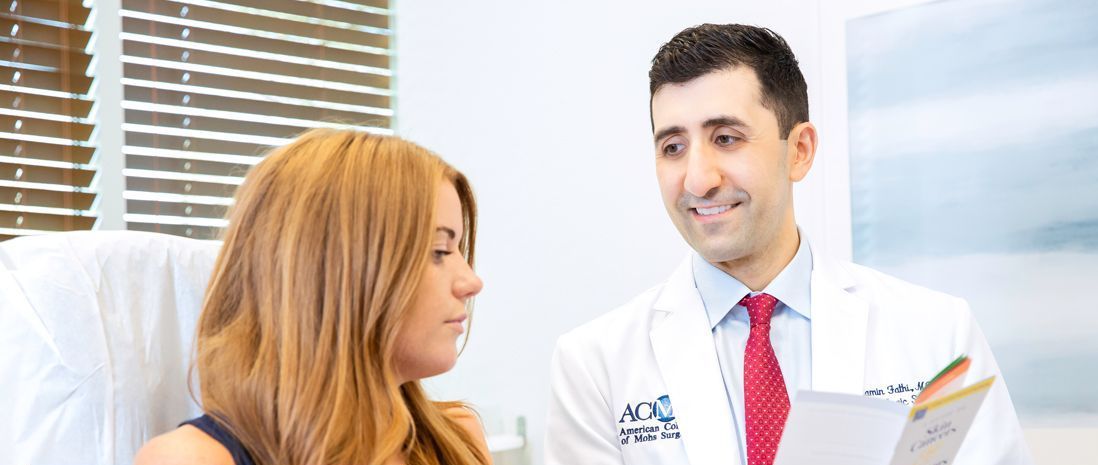
Every treatment starts with a personalized consultation. We evaluate your skin, talk through your goals, and determine whether regenerative therapy makes sense for you.
During the Procedure
- Treatment sessions are typically short
- Discomfort is minimal
- Mild redness or swelling may occur and usually resolves quickly
Results Timeline
Some patients notice early improvements within a few weeks, with continued changes developing over several months.
Can Regenerative Therapy Be Combined With Other Treatments?
Yes. Regenerative therapy is often part of a larger cosmetic plan. It may be combined with:
Your provider will help build a treatment plan that supports both immediate goals and long-term skin health.
FAQs About Regenerative Therapy
Does regenerative therapy really work?
Yes, for the right patients. It works best for improving skin quality and supporting natural repair rather than creating instant change.
How long do results last?
Results vary, but many patients maintain improvements with good skincare and periodic maintenance treatments.
Is regenerative therapy safe?
When performed by trained medical professionals, regenerative therapy is considered safe and well tolerated.
Is there downtime?
Most patients return to normal activities the same day. Any redness or swelling is usually mild and temporary.
FAQs About Phoenix Surgical Dermatology Group
Where is Phoenix Surgical Dermatology Group located?
We are located at 4550 E Bell Road, Suite 150, Phoenix, AZ 85032.
Do you offer virtual visits?
Yes. We offer virtual dermatology visits for select concerns.
How do I schedule an appointment?
You can request an appointment through our contact page or call (480) 666-5568.
Curious If Regenerative Therapy Is Right for You?
If you’re interested in improving skin quality in a natural, gradual way, regenerative therapy may be worth exploring. Schedule a consultation with Phoenix Surgical Dermatology Group to see if this approach fits your skin goals and to create a plan that works for you.
Disclaimer: The information provided on this blog is for general informational purposes only and is not intended as, and should not be considered, medical advice. All information, content, and material available on this blog are for general informational purposes only. Readers are advised to consult with a qualified healthcare professional for medical advice, diagnosis, or treatment. The author and the blog disclaim any liability for the decisions you make based on the information provided. Always seek the advice of your physician or other qualified health provider with any questions you may have regarding a medical condition.