

IPL Treatment Explained: Your Guide to Photofacial Rejuvenation in Phoenix
Key Points
- IPL (Intense Pulsed Light) treatment uses broad-spectrum light to target pigmentation and redness simultaneously
- Ideal for treating sun damage, age spots, freckles, rosacea, and broken capillaries with minimal downtime
- Most patients need 3-5 treatments spaced 4 weeks apart for optimal results
- Results improve gradually as pigmented spots darken and flake off over 1-2 weeks post-treatment
- Safe for fair to medium skin tones when performed by experienced professionals
- Photofacial results can last 1-2 years with proper sun protection and maintenance
What Is IPL Treatment and How Does It Work?
If you've spent years enjoying Arizona's beautiful sunshine, your skin might be showing some signs of all that outdoor living. Sun spots, uneven tone, freckles, and facial redness are incredibly common concerns, especially here in Phoenix. That's where IPL treatment comes into play as one of the most popular non-invasive solutions for skin rejuvenation.
IPL stands for Intense Pulsed Light, and while it's often called a "laser treatment," it technically uses broad-spectrum light rather than a single laser wavelength. Think of regular lasers as a focused flashlight beam, while IPL is more like a camera flash that delivers multiple wavelengths of light at once. This difference is actually what makes IPL so versatile at treating multiple skin concerns in a single session.
During an IPL photofacial, pulses of light penetrate your skin and are absorbed by two main targets: melanin (the pigment in age spots and freckles) and hemoglobin (found in blood vessels that cause redness). When these targets absorb the light energy, they heat up and break apart. Your body then naturally clears away these damaged cells and broken-down pigment over the following weeks, revealing clearer, more even-toned skin underneath.
The beauty of IPL is that it addresses both color concerns (brown spots and redness) simultaneously without significantly affecting the surrounding healthy skin. It's like having a conversation with your skin in a language it understands, giving specific instructions to fade unwanted pigmentation and reduce redness.
What Skin Concerns Does IPL Treat Best?
IPL really shines when it comes to addressing pigmentation and vascular issues. Here's what this treatment excels at improving:
Sun Damage and Age Spots
Years of sun exposure create brown spots, age spots, and freckling that can make your skin look older and less uniform. IPL targets this excess melanin, breaking it down so your body can flush it away. Those stubborn spots that won't fade with topical treatments often respond beautifully to IPL photofacials.
If you're dealing with what's sometimes called "sun damage," which includes rough texture, uneven tone, and scattered brown spots from UV exposure, IPL can dramatically improve your overall complexion. It's particularly effective for the kind of mottled pigmentation that develops gradually over decades of outdoor activities.
Facial Redness and Rosacea
If you struggle with persistent facial redness, broken capillaries, or rosacea, IPL can be genuinely life-changing. The light energy targets the hemoglobin in visible blood vessels, causing them to collapse and eventually be reabsorbed by your body.
Many people with rosacea find that IPL reduces both the baseline redness and the frequency of flare-ups. While it's not a cure for rosacea, it can significantly improve your skin's appearance and reduce that flushed look that topical treatments often can't fully control.
Freckles and Uneven Pigmentation
Whether you've always had freckles or developed them from sun exposure, IPL can lighten or remove them if that's your goal. The treatment is particularly effective for superficial pigmentation issues that sit in the upper layers of your skin.
Some people love their freckles and want to keep them, while others prefer a more even complexion. IPL gives you options, and your provider can adjust treatment settings to achieve your desired level of pigment reduction.
Broken Capillaries and Spider Veins
Those tiny red or purple lines that appear on your nose, cheeks, or elsewhere on your face are broken capillaries or spider veins. IPL can eliminate these without damaging surrounding skin, giving you a clearer, more uniform complexion.
Overall Skin Tone and Texture
Beyond targeting specific spots and redness, IPL photofacials improve your overall skin quality. Many patients notice their skin looks brighter, fresher, and more youthful after a series of treatments. There's often subtle improvement in fine texture and pore appearance as well, though IPL isn't primarily a texturing treatment.
The IPL Treatment Experience: What to Expect
Let's walk through what actually happens during an IPL photofacial so you know exactly what to expect.
Your Consultation
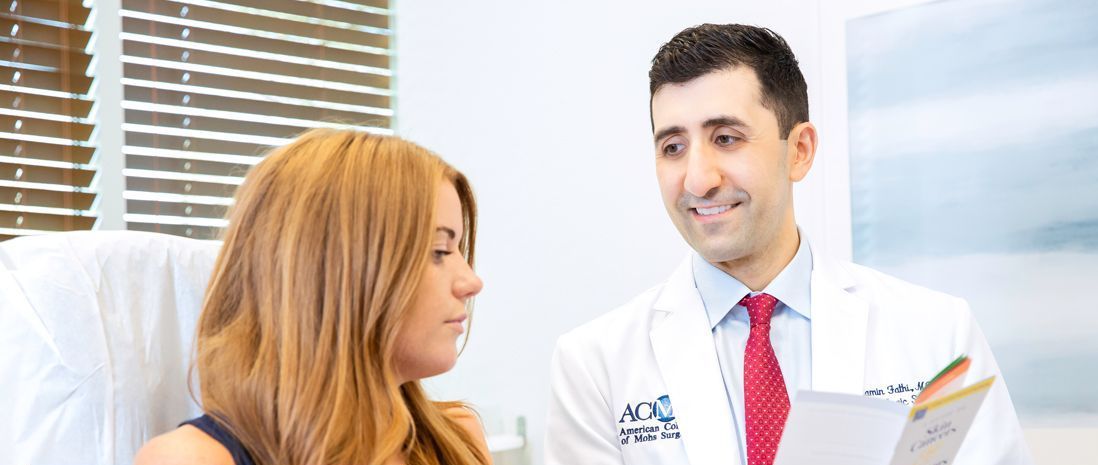
Before any treatment, you'll meet with your dermatologist at Phoenix Surgical Dermatology Group to discuss your concerns and goals. They'll examine your skin type, evaluate your pigmentation or redness concerns, and determine whether IPL is the best option for you.
This consultation is important because IPL isn't right for everyone. People with very dark skin tones, active tans, or certain skin conditions might be better candidates for alternative treatments. Your provider will be honest about what IPL can realistically achieve for your specific concerns.
Before Your Treatment
On treatment day, your skin will be thoroughly cleansed to remove any makeup, sunscreen, or skincare products. You'll be given protective eyewear to shield your eyes from the bright flashes of light. A cool gel is typically applied to your skin to help the handpiece glide smoothly and keep you comfortable during treatment.
During the IPL Session
The actual treatment is surprisingly quick. Your provider will press the IPL handpiece against your skin and deliver pulses of light. Each pulse feels like a rubber band snap against your skin, followed by a warming sensation. Most people find this tolerable without numbing cream, though everyone's pain threshold is different.
A full-face treatment typically takes 20-30 minutes, though this varies depending on the size of the area being treated. Your provider will make multiple passes over your skin, adjusting the settings as needed for different areas or concerns.
The cooling tip on modern IPL devices like the Lucent IPL makes the experience much more comfortable than older technologies. Many patients describe it as mildly uncomfortable rather than painful.
Immediately After Treatment
Right after your IPL photofacial, your skin will likely be pink or red, similar to a mild sunburn. This usually fades within a few hours, though some people experience redness for up to 24 hours. You can apply makeup and return to normal activities right away, which is one of IPL's biggest advantages.
You might notice that your brown spots look darker immediately after treatment. Don't panic. This is actually a good sign that the treatment is working. Those darkened spots will gradually flake off over the next 7-10 days, revealing clearer skin underneath.
IPL Results Timeline: When Will You See Improvement?
Understanding the timeline helps set realistic expectations and prevents disappointment during the process.
Immediately after treatment: Your skin will be red and any brown spots may appear darker. You're not going to look better right away, and that's normal.
Days 3-7: This is when the "magic" starts happening. Treated pigmented spots will begin to darken further and may develop a coffee-ground appearance before they start flaking off. This can look a bit worse before it looks better, but it's all part of the healing process.
Days 7-14: The darkened pigment flakes away (similar to how skin peels after a sunburn), revealing lighter, clearer skin underneath. Redness from broken capillaries begins to fade as treated blood vessels are reabsorbed.
Weeks 3-4: You'll see the full results from that treatment session. Your skin tone appears more even, brown spots are lighter or gone, and overall redness is reduced.
After 3-5 treatments: This is when you'll see your most dramatic improvement. Each session builds on the previous one, gradually clearing pigmentation and reducing redness for a significantly more even, youthful complexion.
The gradual nature of IPL results is actually a benefit for many people. Your skin improves naturally over time without the dramatic "I clearly had something done" appearance that more aggressive treatments can create.
How Many IPL Treatments Will You Need?
Most people need a series of 3-5 treatments spaced about 4 weeks apart to achieve optimal results. The exact number depends on the severity of your pigmentation or redness concerns and how your individual skin responds.
If you have mild sun damage or minimal redness, you might see great results with 3 treatments. More significant pigmentation issues or stubborn rosacea might require 5 or even 6 sessions for maximum improvement.
The 4-week spacing allows your skin time to heal completely between treatments and gives you a chance to see the full results from each session before deciding if additional treatments are needed.
After completing your initial series, many people maintain their results with annual or bi-annual touch-up treatments, especially if they continue getting sun exposure despite using sunscreen.
IPL Aftercare: Protecting Your Investment
Taking care of your skin after IPL treatment is crucial for getting the best results and avoiding complications.
Sun Protection Is Non-Negotiable
This can't be emphasized enough: you absolutely must protect your treated skin from the sun. IPL makes your skin more vulnerable to UV damage, and sun exposure can cause darkening or uneven pigmentation.
Use a broad-spectrum sunscreen with SPF 30 or higher every single day, reapplying every 2 hours if you're outdoors. Wear a wide-brimmed hat and seek shade when possible. Consider this an investment in maintaining your results.
Gentle Skincare Only
For the first few days after treatment, stick to gentle, fragrance-free cleansers and moisturizers. Avoid harsh scrubs, exfoliating acids, retinoids, and any products that might irritate your healing skin.
Let those darkened spots flake off naturally. Don't pick at them or try to scrub them away, as this can lead to scarring or pigmentation issues.
Stay Cool
Avoid hot showers, saunas, steam rooms, and intense workouts for 24-48 hours after treatment. Heat can increase inflammation and prolong redness.
Moisturize Well
Keep your skin well-hydrated with a gentle, non-irritating moisturizer. This helps the healing process and keeps your skin comfortable as treated areas flake off.
Who Is a Good Candidate for IPL Treatment?
IPL works beautifully for many people, but it's not the right choice for everyone. Here's what makes someone a good candidate:
Skin Type: IPL works best on fair to medium skin tones (Fitzpatrick skin types I-IV). People with darker skin have more melanin throughout their skin, making it harder for the IPL to distinguish between unwanted pigmentation and natural skin color. This can increase the risk of burns or uneven results.
Specific Concerns: If your primary issues are brown spots, sun damage, redness, or broken capillaries, IPL is an excellent choice. If you're mainly concerned with deep wrinkles, significant skin laxity, or textural issues like acne scars, other treatments might be more appropriate.
Realistic Expectations: Good candidates understand that IPL improves but doesn't perfect skin. They're willing to commit to a series of treatments and maintain results with proper skincare and sun protection.
No Recent Tan: You cannot have IPL if you're tanned, whether from sun exposure or self-tanners. You'll need to avoid tanning for at least 4 weeks before treatment.
Good Overall Health: Certain medical conditions, medications that increase photosensitivity, or active skin infections can make IPL inappropriate. Your dermatologist will review your medical history during your consultation.
IPL Safety and Potential Side Effects
When performed by an experienced provider using professional equipment, IPL is very safe. However, like any medical treatment, there are potential side effects to be aware of:
Temporary redness and swelling are the most common side effects, typically resolving within hours to a day.
Darkening of pigmented spots happens immediately after treatment and is actually a sign the treatment is working. These spots will flake off within 1-2 weeks.
Blistering or crusting can occur if settings are too aggressive or if you have a tan. This is rare with experienced providers but highlights the importance of choosing a qualified professional.
Pigmentation changes including lightening (hypopigmentation) or darkening (hyperpigmentation) of treated areas can happen, particularly in people with darker skin tones or those who don't protect treated skin from sun exposure.
Bruising is uncommon with IPL but can occasionally occur, especially when treating vascular concerns.
Most side effects are temporary and resolve on their own with proper aftercare. Serious complications are rare when IPL is performed by board-certified dermatologists like those at Phoenix Surgical Dermatology Group who understand how to customize settings for different skin types and concerns.
IPL vs. At-Home Light Devices: Is There a Difference?
You've probably seen at-home IPL devices advertised online or in stores. While these can provide some mild improvement, they're significantly less powerful than professional systems for good reason.
Professional IPL devices used in dermatology offices deliver much higher energy levels that can be precisely customized for your skin type and specific concerns. The Lucent IPL system used at Phoenix Surgical Dermatology Group allows for fine-tuning of wavelengths, pulse duration, and energy levels that at-home devices simply can't match.
At-home devices are designed to be safe enough for consumers to use without professional supervision, which means they're much less effective. They might provide subtle improvements with consistent long-term use, but they won't deliver the dramatic results you can achieve with professional treatments.
For genuine improvement in sun damage, pigmentation, and redness, professional IPL is worth the investment. Think of it like the difference between box hair color and a professional colorist. Both technically color your hair, but the results are in completely different leagues.
Combining IPL with Other Treatments
IPL works wonderfully on its own, but it can also be part of a comprehensive skin rejuvenation plan. Here's how it might fit with other treatments:
IPL and Chemical Peels
Chemical peels and IPL complement each other beautifully. IPL targets pigment and redness, while chemical peels address texture, fine lines, and surface-level concerns. Many people alternate between treatments or do both as part of a maintenance regimen.
IPL and Microneedling
Microneedling focuses on texture and collagen stimulation, while IPL addresses color concerns. Combining these treatments can provide comprehensive skin improvement, though they should be spaced appropriately to allow proper healing.
IPL and Injectables
IPL improves skin quality and tone, while injectables and dermal fillers address volume loss and dynamic wrinkles. Together, they create a complete anti-aging approach that addresses both skin quality and facial structure.
IPL and Medical Skincare
Professional-grade skincare products enhance and maintain your IPL results. Your dermatologist might recommend specific skin care products with ingredients like vitamin C, retinoids, or hydroquinone to maximize and extend your photofacial results.
Cost and Value: Is IPL Worth It?
IPL treatments represent an investment in your skin's appearance and health. While costs vary depending on the treatment area and number of sessions needed, many people find IPL offers excellent value compared to more invasive alternatives.
A single IPL session typically costs less than more aggressive laser treatments, and because you're addressing multiple concerns at once (pigmentation and redness), you're getting comprehensive improvement in one treatment type.
When you factor in the minimal downtime (meaning no lost work days), the long-lasting results, and the ability to address multiple skin concerns simultaneously, IPL becomes a cost-effective option for skin rejuvenation.
Many practices, including Phoenix Surgical Dermatology Group, offer package pricing for multiple IPL sessions, which can provide better value than paying for individual treatments. During your consultation, you'll receive a personalized treatment plan and pricing based on your specific needs.
Real Results: What Patients Say About IPL
The proof is in the results. Many patients report significant improvement in their skin's overall appearance after completing an IPL series.
Check out patient testimonials and before-and-after photos to see what IPL has achieved for others.
Common feedback includes comments about looking "refreshed," "brighter," or "more even-toned" without looking "done." Friends and family often notice that you look great but can't quite put their finger on what's different. That's the beauty of IPL's gradual, natural-looking improvement.
Many patients also report that IPL gives them confidence to wear less makeup, since their skin tone is more even and they don't feel the need to cover spots or redness.
Maintaining Your IPL Results Long-Term
After investing time and money into IPL treatments, you'll want to maintain those results. Here's how:
Sun protection is forever. This is the single most important factor in maintaining your results. Daily sunscreen use prevents new sun damage and pigmentation from developing.
Annual touch-ups keep your skin looking its best. Many people schedule a maintenance IPL session once or twice a year to address any new spots or redness that develop.
Quality skincare with ingredients like vitamin C, retinoids, and niacinamide can help maintain and enhance your IPL results.
Healthy lifestyle choices including staying hydrated, not smoking, and managing stress all contribute to healthy, youthful-looking skin.
Regular skin checks at your dermatologist allow for early detection of any new concerns and discussion of whether additional treatments would benefit you.
With proper maintenance, many people enjoy their IPL results for 1-2 years or longer before needing a refresh series.
FAQs About IPL Treatment
Does IPL photofacial hurt?
Most people describe IPL as feeling like a rubber band snapping against the skin, followed by a warm sensation. It's generally well-tolerated without numbing cream, though discomfort levels vary by individual. The cooling tip on modern IPL devices like Lucent IPL helps minimize discomfort during treatment.
How long does an IPL treatment take?
A full-face IPL treatment typically takes 20-30 minutes, though this varies based on the size of the treatment area. Including consultation time and pre-treatment prep, plan for about 45 minutes to an hour for your appointment.
Can I wear makeup after IPL?
Yes, you can apply makeup immediately after IPL treatment, which makes it convenient for fitting into busy schedules. Just use gentle, non-irritating products and be sure to remove makeup gently at the end of the day.
Will IPL remove all my sun spots?
IPL can significantly lighten or eliminate many sun spots, with most people seeing 70-90% improvement after a complete treatment series. Very deep pigmentation or certain types of spots might require additional treatments or alternative approaches. Your dermatologist can give you realistic expectations during your consultation.
Can IPL treat melasma?
IPL can sometimes help with melasma, but it's not always the best first-line treatment for this condition. Melasma can be tricky to treat and sometimes darkens with light-based therapies. Your dermatologist might recommend trying other approaches first or combining IPL with specific skincare protocols.
How long do IPL results last?
With proper sun protection and skincare, IPL results can last 1-2 years or longer. However, your skin continues aging and experiencing sun exposure, so new spots and redness may develop over time. Maintenance treatments help keep your skin looking its best long-term.
Is there any downtime with IPL?
IPL has minimal downtime compared to more aggressive treatments. You might have redness for a few hours to a day, and treated spots will darken before flaking off over 1-2 weeks. Most people return to normal activities immediately after treatment, though you should avoid intense sun exposure and heat for a few days.
Can IPL help with acne?
IPL isn't primarily an acne treatment, but it can help with the redness and post-inflammatory marks left behind after breakouts. For active acne, other treatments are typically more effective. However, IPL can be part of a comprehensive approach to managing acne and its aftereffects.
Why can't I have IPL if I'm tan?
Tanned skin contains more melanin throughout, which makes it difficult for the IPL to distinguish between your natural skin color and unwanted pigmentation. This significantly increases the risk of burns, blistering, or uneven results. You need to avoid tanning for at least 4 weeks before IPL treatment.
FAQs About Phoenix Surgical Dermatology Group
What IPL system does Phoenix Surgical Dermatology Group use?
Phoenix Surgical Dermatology Group uses the Lucent IPL system, which is an advanced intense pulsed light technology designed for safe, effective treatment of pigmentation and vascular concerns. This professional-grade system allows for customized treatment parameters based on your specific skin type and concerns.
How do I schedule an IPL consultation?
Call (480) 666-5568 to schedule your IPL consultation at Phoenix Surgical Dermatology Group. During this appointment, your skin will be evaluated and a personalized treatment plan created based on your goals and concerns.
Where is Phoenix Surgical Dermatology Group located?
Phoenix Surgical Dermatology Group is conveniently located at 4550 E Bell Road, Suite 150, Phoenix, AZ 85032, making it easily accessible for patients throughout the Phoenix area.
Does Phoenix Surgical Dermatology Group offer other skin rejuvenation treatments?
Yes, in addition to IPL, the practice offers comprehensive cosmetic dermatology services including Fraxel laser, CO2 laser, VBeam laser, chemical peels, microneedling, and more. Your provider can help determine which treatment or combination is best for your needs.
Is IPL covered by insurance?
IPL is typically considered a cosmetic procedure and is not covered by insurance. Phoenix Surgical Dermatology Group can discuss payment options and package pricing during your consultation. Check their insurance page for more information about coverage for medical dermatology services.
Ready to Reveal Clearer, More Even-Toned Skin?
If sun damage, age spots, freckles, or facial redness have been bothering you, IPL photofacial treatment offers an effective solution with minimal downtime. This proven technology can dramatically improve your skin's tone and clarity, helping you look refreshed and radiant without invasive procedures or lengthy recovery periods.
At Phoenix Surgical Dermatology Group, Dr. Ramin Fathi and the experienced team use advanced Lucent IPL technology to deliver safe, customized treatments that address your unique skin concerns. They'll create a personalized treatment plan designed to help you achieve the clear, even-toned complexion you've been wanting.
Take the first step toward brighter, more beautiful skin. Call (480) 666-5568 to schedule your IPL consultation or visit Phoenix Surgical Dermatology Group to learn more about how photofacial treatment can transform your skin. Your journey to a more confident, radiant you starts here.
Disclaimer: The information provided on this blog is for general informational purposes only and is not intended as, and should not be considered, medical advice. All information, content, and material available on this blog are for general informational purposes only. Readers are advised to consult with a qualified healthcare professional for medical advice, diagnosis, or treatment. The author and the blog disclaim any liability for the decisions you make based on the information provided. Always seek the advice of your physician or other qualified health provider with any questions you may have regarding a medical condition.